Blog
Insights on AI-powered development, autonomous coding agents, and the future of shipping software.
Insights on AI-powered development, autonomous coding agents, and the future of shipping software.
Trinity now ships end-to-end encrypted secrets: keys stay on your devices, our servers hold only ciphertext, and nobody — including us — can read your values.
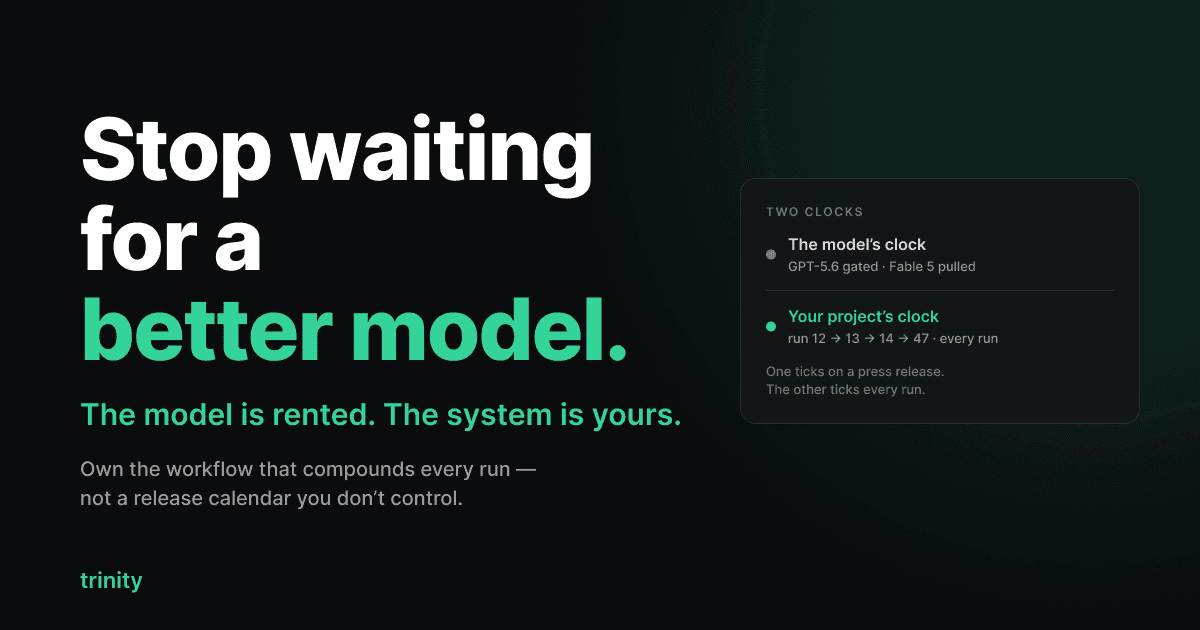
GPT-5.6 and Fable 5 shipped this month, then got throttled by the government. Stop betting your output on a better model — own the system around it.
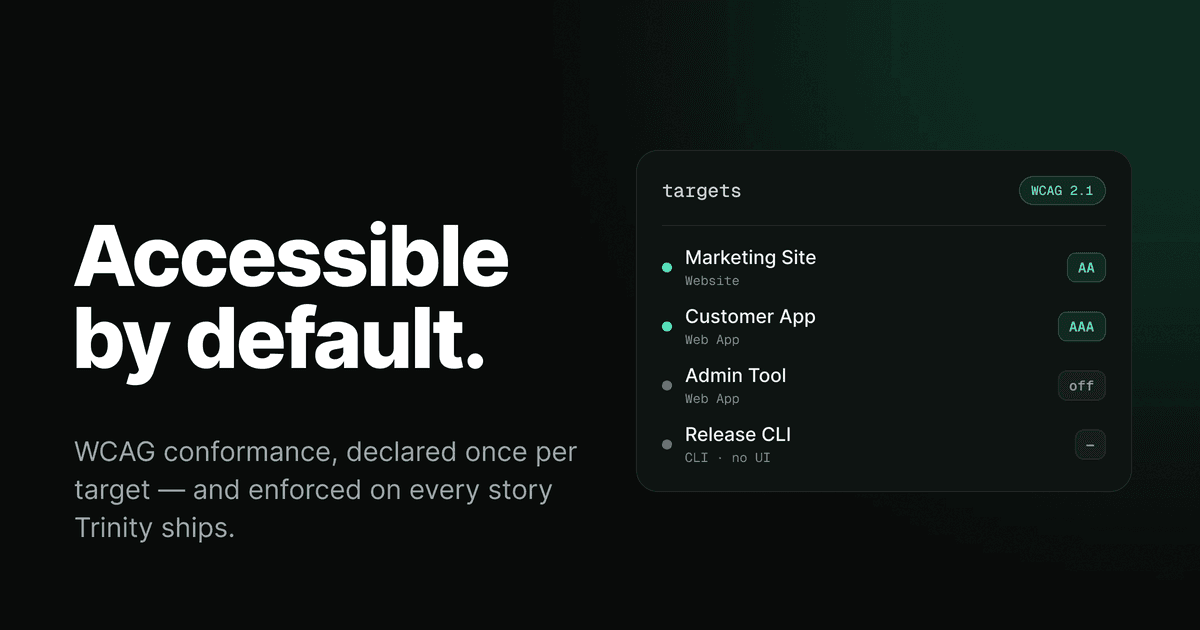
Most teams bolt accessibility on at the end. Trinity makes WCAG conformance a setting on the package that builds the code, enforced on every story that lands there. Here is how.
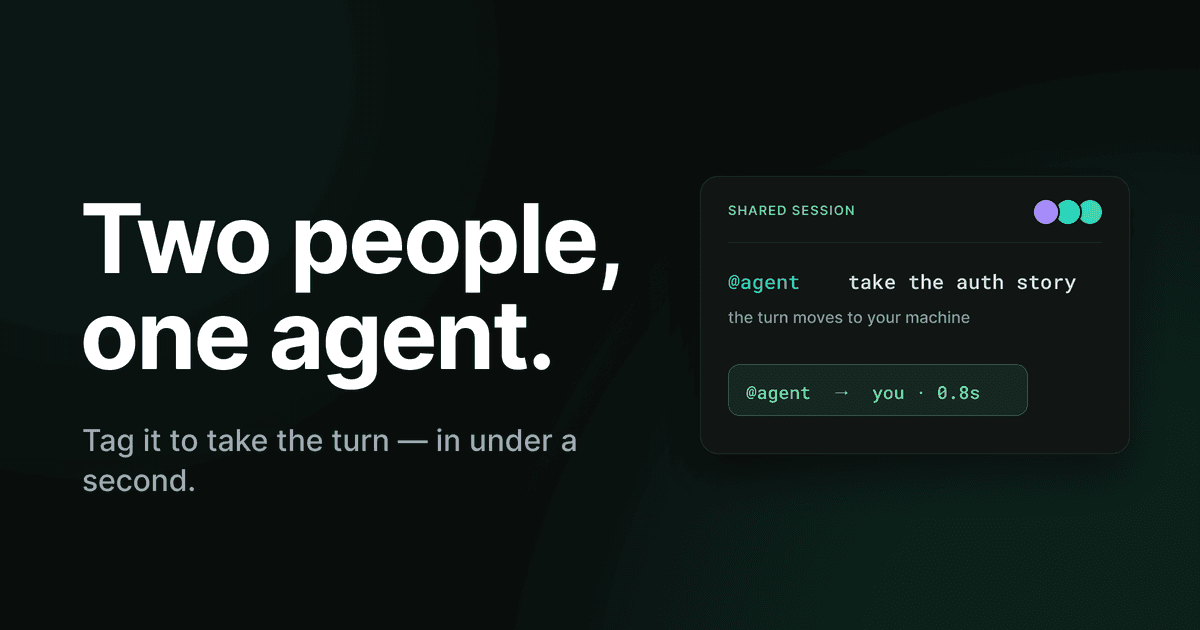
Trinity makes every AI surface a shared, real-time conversation — and lets you pull a running agent session onto your own machine in under a second by tagging @agent.
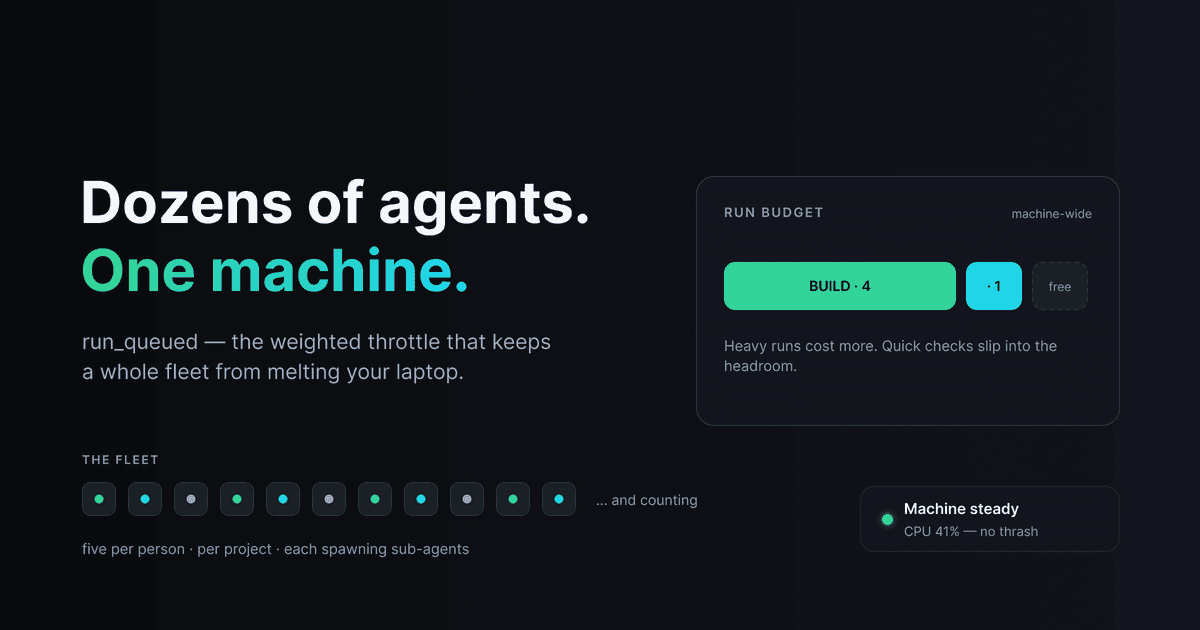
Five AI agents per person, per project, each spawning sub-agents — and your machine survives. Inside run_queued, Trinity's throttle for parallel AI builds.
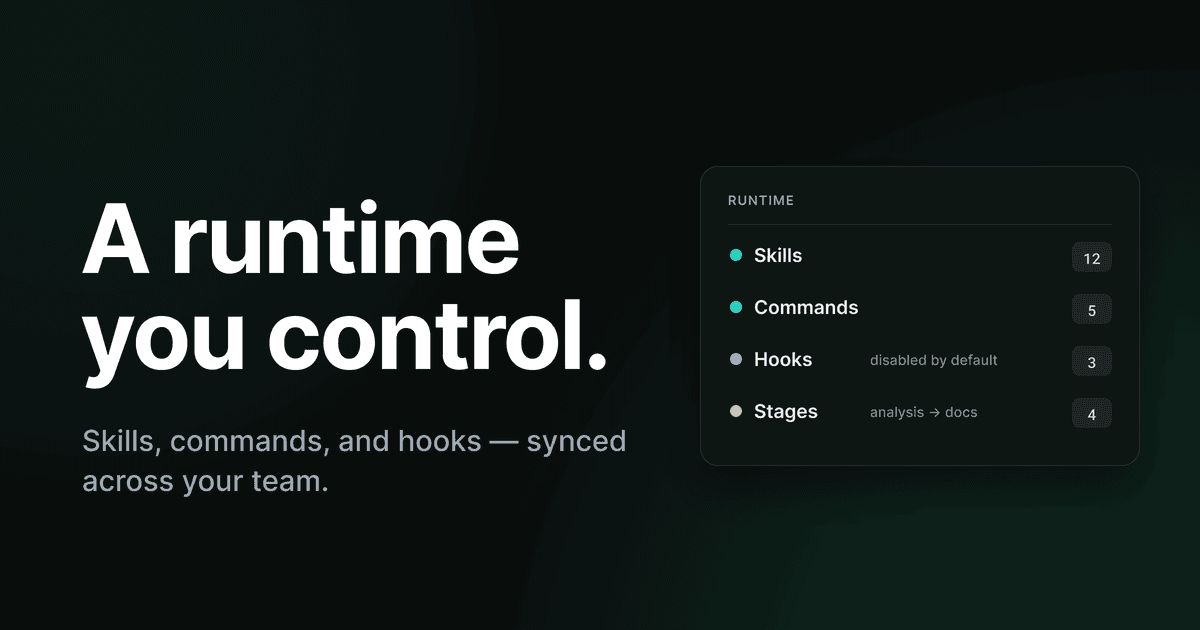
Trinity gets a Runtime — one synced place to manage the skills, commands, and hooks your agents run with, and to create new ones just by describing them.
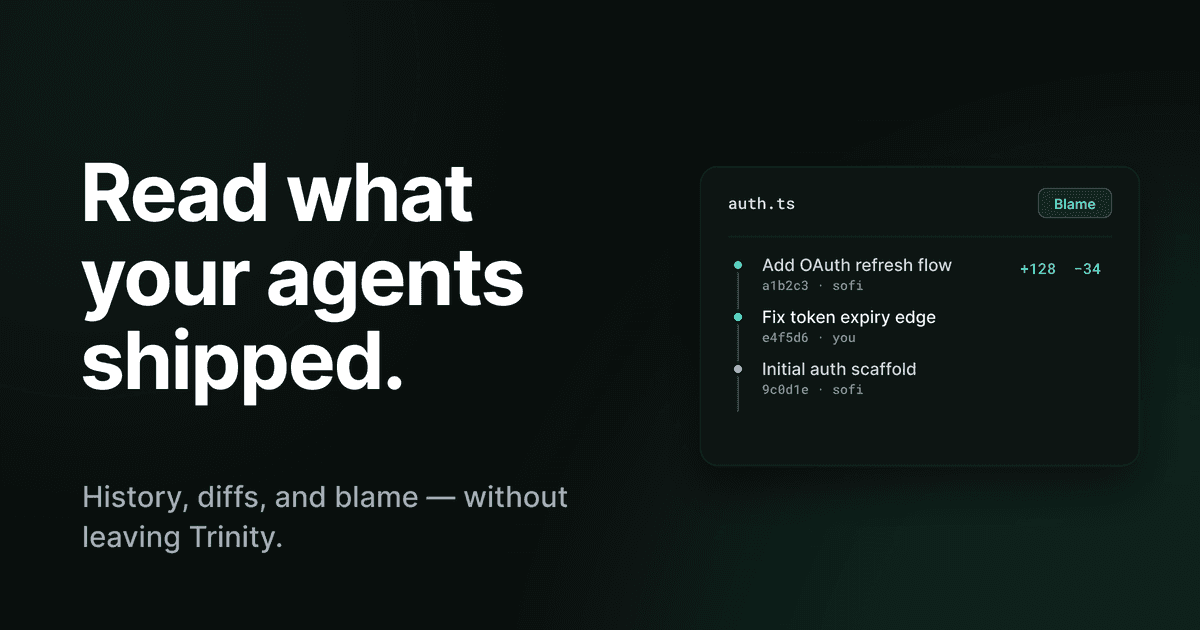
Trinity's built-in code browser brings a commit history graph, per-commit diffs, and line-by-line blame into the app — review what your agents shipped without opening GitHub.
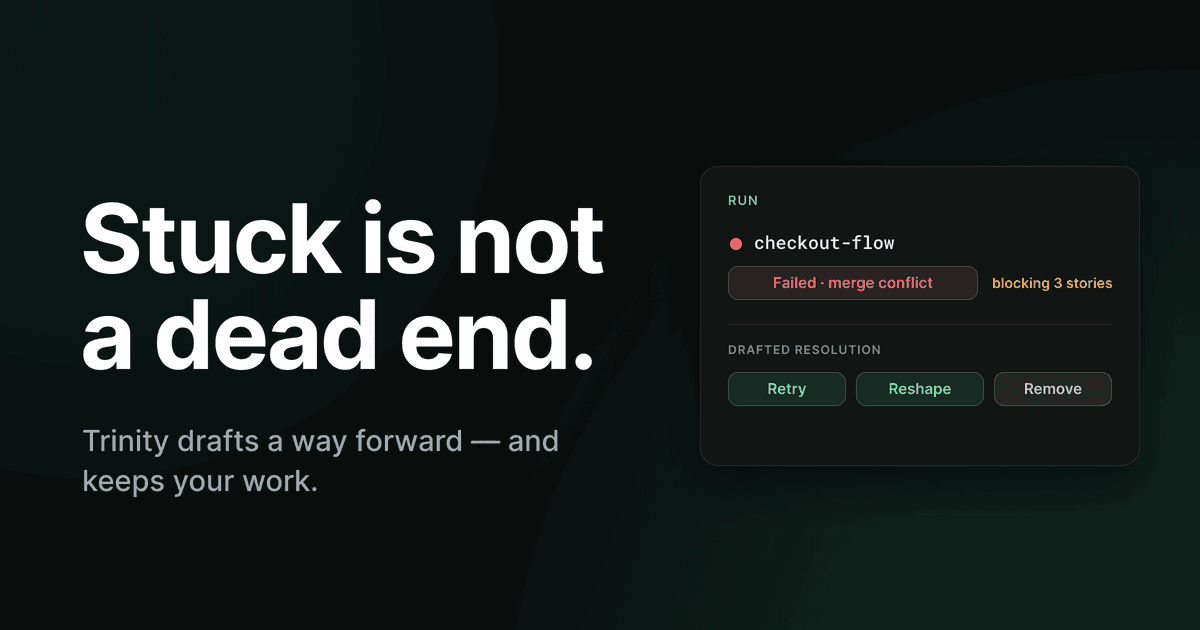
Autonomous runs fail — merge conflicts, hung agents, runaway loops. Trinity treats failure as a first-class state: detect it, measure the blast radius, draft a fix.
OpenAI Codex joins Claude in Trinity's growing engine family — pick GPT-6 Astra or a GPT-5.6 model in Settings, powering every AI action, same framework.
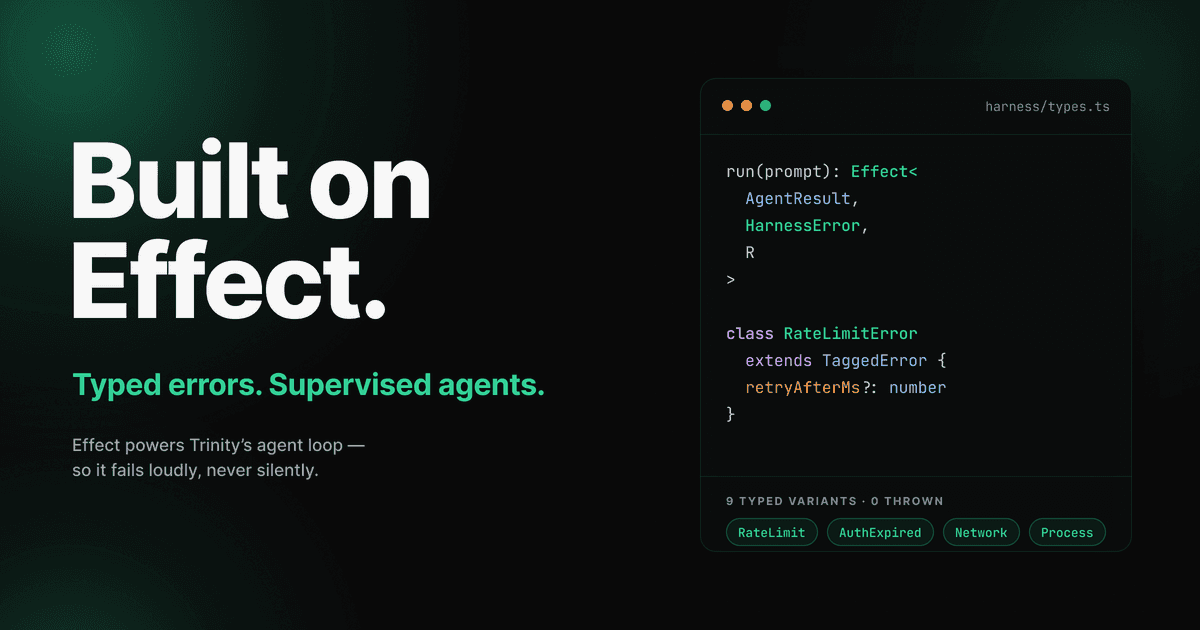
Trinity runs on Effect across its highest-leverage surfaces. Typed errors and supervised agents make the autonomous pipeline fail loudly, never silently.
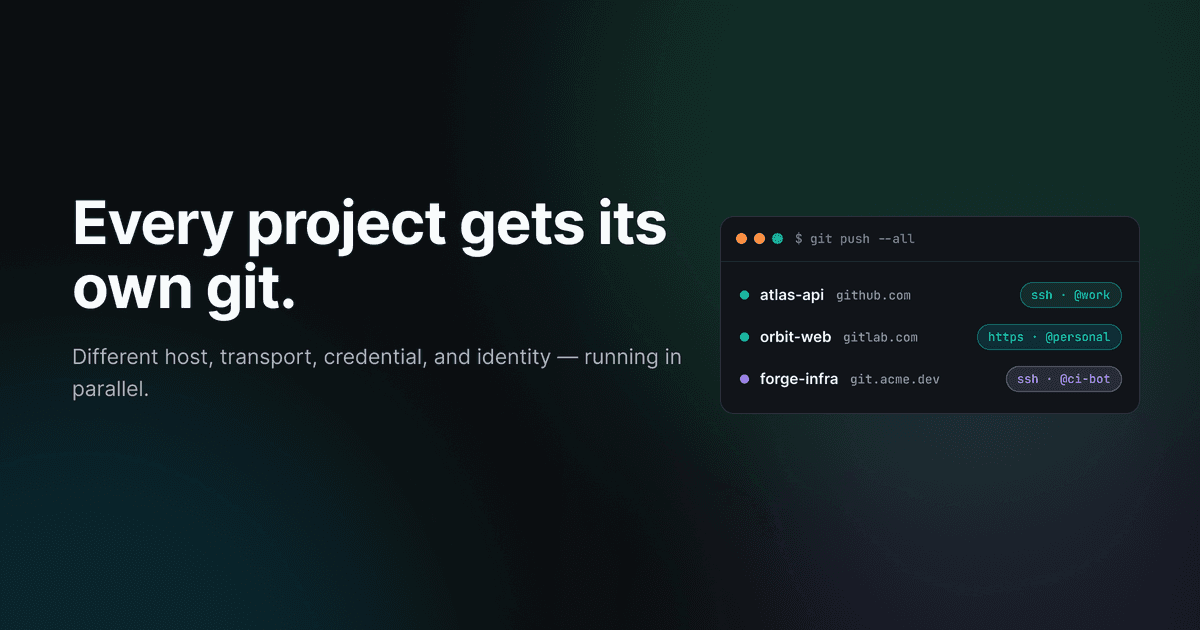
Trinity makes git pluralistic — every project runs against its own host, transport, credential, and identity, all in parallel. Here is how it works.
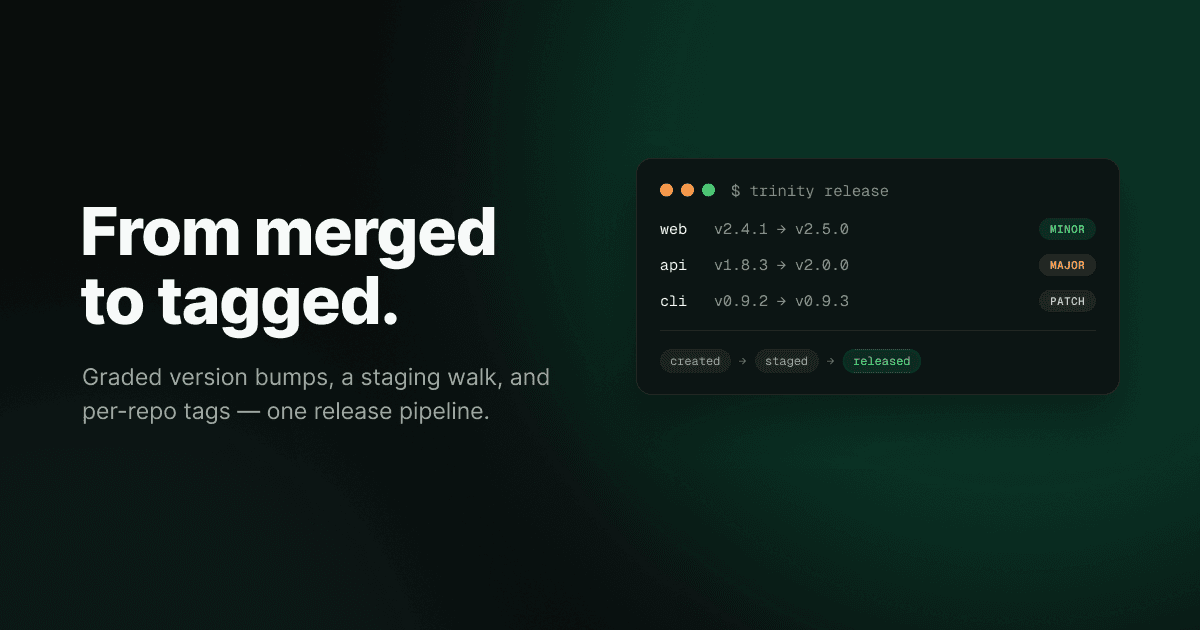
How Trinity turns merged stories into a shipped release — grading each repo version bump from real code, walking a staging chain, and tagging every repo on its own.
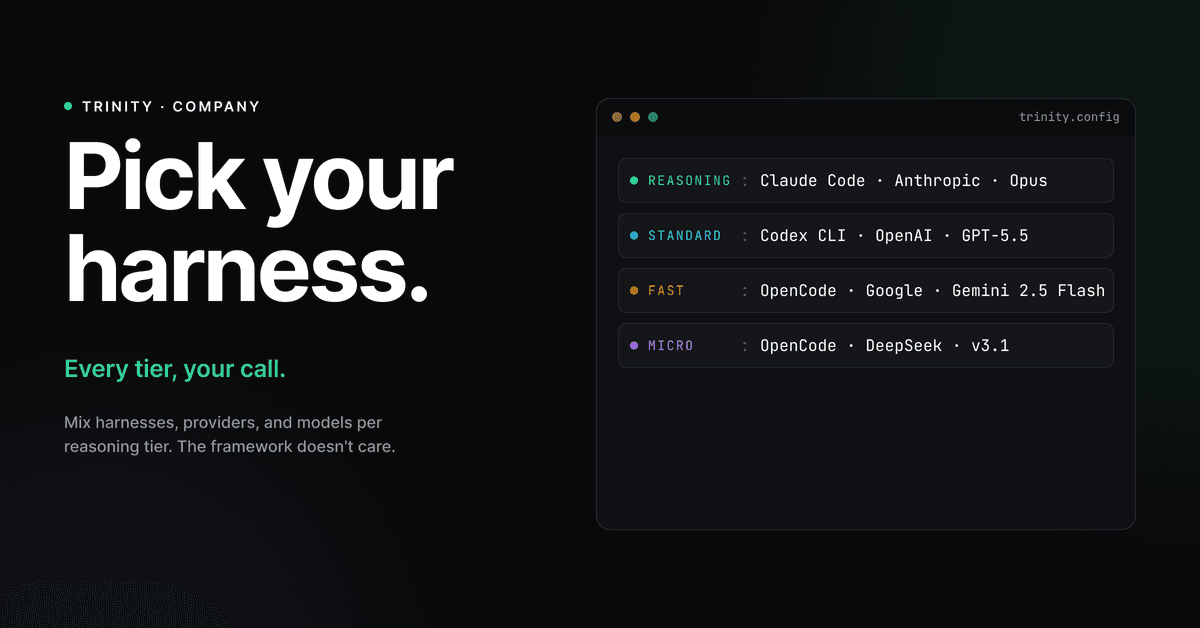
Anthropic's June 15 programmatic-usage cap is a harness-layer change, not a model one. Here's why Trinity treats the harness as the real unit of portability — and how Claude Code, Codex CLI, and OpenCode all earn their place.
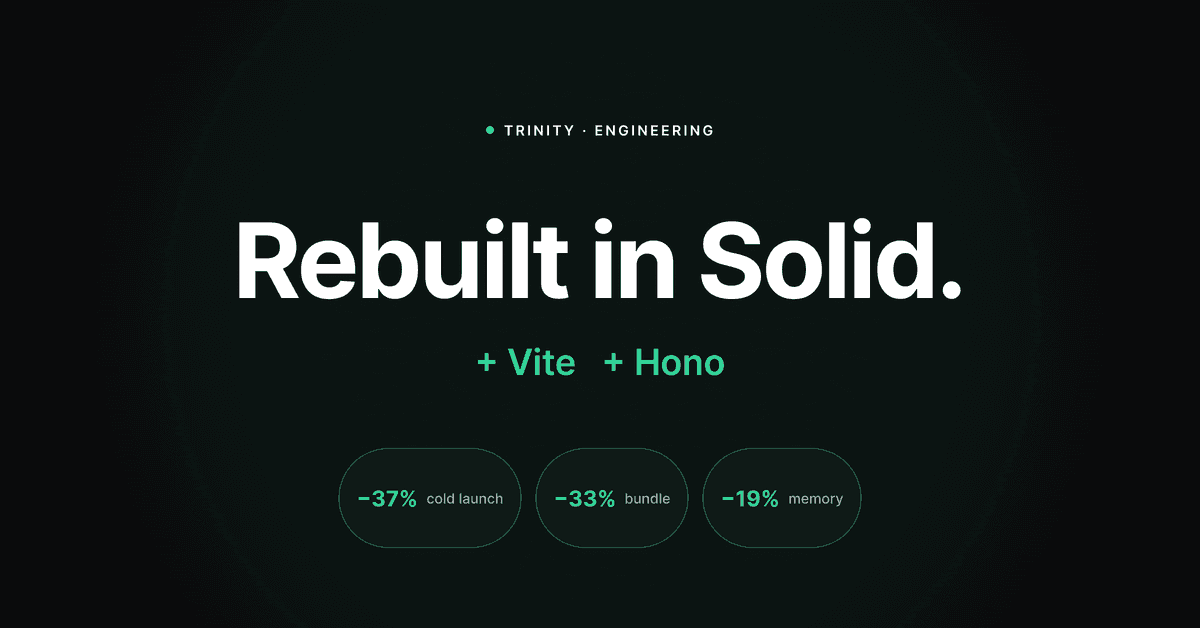
We rewrote Trinity's desktop from Next.js + React to Solid + Vite + Hono. Cold launch is 37% faster, the bundle is 33% smaller, idle memory is 19% lower.
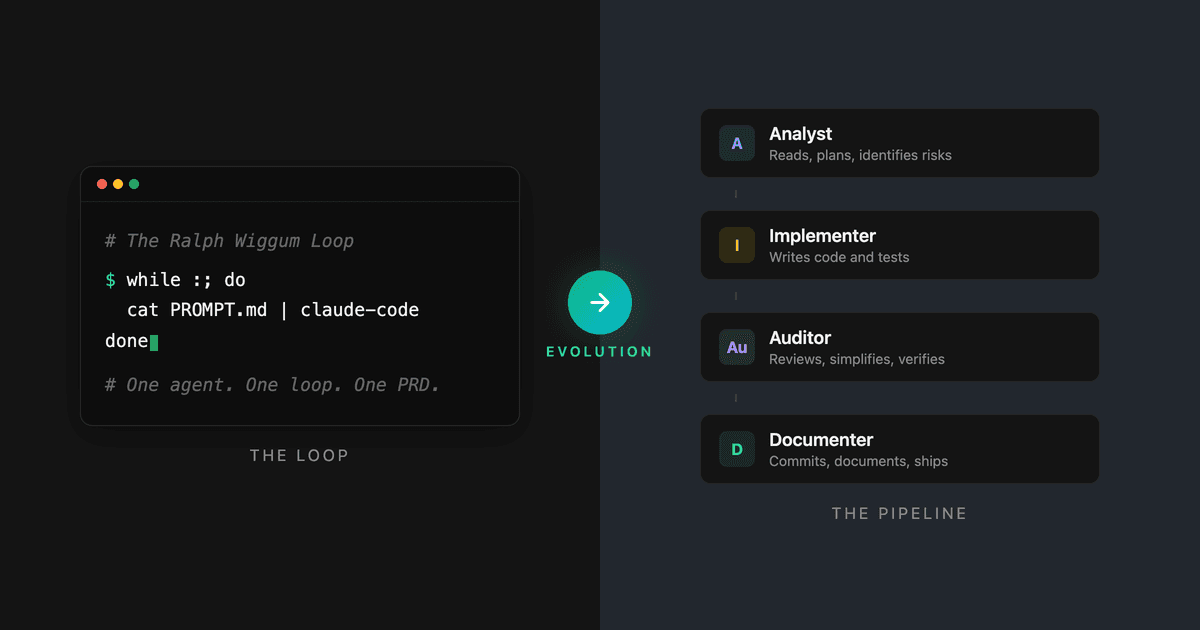
The bash loop proved AI agents can ship code — but it could not hold a living plan, let you steer it, or let a team build together. Here is how Trinity evolved the loop into a collaborative, plan-first release pipeline.